
Pinco Platform – A Structured Review Through an Economic Lens
In the dynamic landscape of Azerbaijan’s digital entertainment sector, the Pinco platform presents itself as a notable entity. This analysis adopts a structured, risk-aware perspective to examine the platform’s ecosystem, considering its operational framework, user interface, and the inherent financial dynamics of its offerings. We will dissect its components not as mere features, but as elements within a broader economic model of user engagement and value exchange, always mindful of the long-term sustainability of any participant’s approach.
Pinco Platform Architecture – Interface and Functional Economics
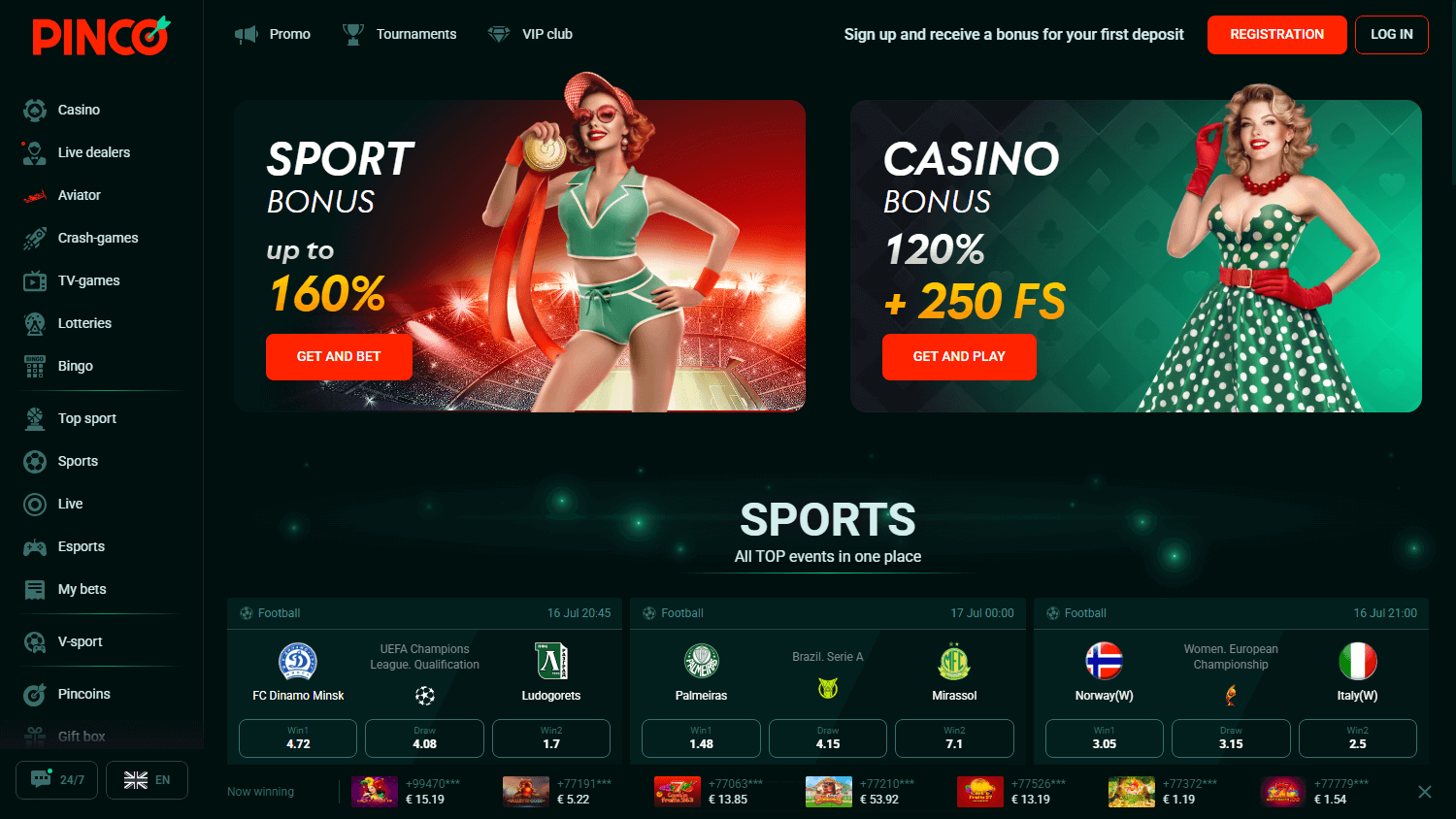
The user interface of Pinco operates as the primary market floor for its services. A well-structured interface, from an economic standpoint, reduces transaction costs for the user-namely, the time and effort required to navigate and execute actions. The platform’s design appears to prioritize clarity in its market segmentation, with distinct zones for various activities, which can mitigate informational asymmetry. However, the efficiency of this design must be weighed against its potential to encourage rapid engagement cycles. The functional layout is a critical component in the user’s cost-benefit analysis when allocating their time and capital.
Pinco Core Service Modules – A Sector Breakdown
Examining the platform’s core modules reveals its business model diversification. Typically, such a platform aggregates several verticals, each with its own risk-return profile and liquidity characteristics for the operator. The integration of these services under a single brand like pinco aims to create network effects and user retention, but it also concentrates exposure to regulatory shifts within a single ecosystem. The seamless movement between modules is a design feature intended to increase platform liquidity, yet it demands disciplined personal risk management from the user.
The Pinco Onboarding Protocol – Registration and KYC Framework
The initial entry into the platform, the registration process, functions as a gatekeeping mechanism with significant economic implications. A streamlined procedure lowers barriers to entry, expanding the potential user base. However, the subsequent Know Your Customer (KYC) protocols represent a non-negotiable compliance cost, transferred into a time investment for the user. This process, while essential for platform integrity and user security, establishes the first formal contractual layer between the individual and the service provider. Its robustness is a positive indicator of the platform’s commitment to operational sustainability and risk mitigation against systemic vulnerabilities like fraud.
- Data Input Requirements: Typically involves national identification details, mirroring account opening in formal financial institutions.
- Verification Timelines: A delay in fund access post-deposit, representing a short-term liquidity lock for the user.
- Documentation Standards: Clarity on accepted documents (e.g., ASAN signature documents) reduces user uncertainty.
- Economic Rationale: This framework aims to internalize externalities related to identity fraud and money laundering, protecting the platform’s long-term viability.
Capital Allocation and Extraction – Pinco Deposit and Withdrawal Mechanics
The financial conduits of any platform are its most critical infrastructure. For a user, the deposit process represents an immediate capital allocation decision, while withdrawals are the realization of returns (or capital repatriation). Pinco’s integration with local payment rails, offering transactions in Azerbaijani Manat (AZN), eliminates currency risk for the domestic user-a key consideration. The transaction cost structure, including any processing fees or minimum thresholds, directly impacts the net expected value of participation. Speed of withdrawal is a liquidity metric; delays act as an implicit cost, affecting the user’s personal cash flow management.
| Financial Channel | Typical Processing Time | Economic Consideration |
|---|---|---|
| Local Bank Card | Instant to 24 hours | Reduces settlement risk, leverages existing financial infrastructure. |
| E-Wallet Systems | Near-instant | Enhances velocity of money within the digital ecosystem. |
| Direct Bank Transfer | 1-3 business days | Introduces a lag, affecting opportunity cost of capital. |
| Voucher Systems | Instant | Functions as a closed-loop stored value instrument. |
| Mobile Operator Billing | Instant | Monetizes mobile credit liquidity, broadening access. |
Pinco Incentive Structures – Bonuses and Promotional Economics
Promotional incentives are a classic customer acquisition cost tool. In the context of Pinco, bonuses must be analyzed not as “free capital” but as leveraged instruments with attached conditions. The wagering requirements act as a multiplier on the user’s required engagement volume, effectively altering the odds and extending the user’s expected activity timeline. A risk-aware assessment involves calculating the true cost of these incentives against the probability-weighted return, considering the platform’s house edge. Sustainable engagement models are those where promotional strategies do not obscure the fundamental probabilities of the games offered.
- Welcome Bonus Structure: Often a matched deposit, increasing initial operational capital but with strings attached.
- Rollover Requirements: The economic barrier to converting bonus credit into withdrawable cash.
- Time-Limited Promotions: Create urgency, potentially leading to suboptimal capital deployment decisions.
- Loyalty Program Value: Assessed via the redemption rate and tangible benefit per unit of engagement.
- Risk Disclosure Clarity: The transparency of bonus terms is a key metric for user trust and informed consent.
Operational Risk Management – Pinco Safety and License Framework
The license under which Pinco operates is its regulatory capital. For a user in Azerbaijan, understanding the jurisdiction and authority of the licensing body is crucial for assessing recourse and oversight. Data encryption and financial transaction security are baseline expectations, akin to those in retail banking. The platform’s commitment to responsible gambling tools-such as deposit limits, self-exclusion, and reality checks-represents an investment in negative externalities management. These are not mere features but essential risk-mitigation tools that affect the long-term financial health of the user base and the social license of the platform itself.
Pinco Support Infrastructure – The Cost of Resolution
Customer support represents the platform’s after-sales service and dispute resolution mechanism. Its efficiency directly impacts user transaction costs when problems arise. Multiple channels (live chat, email, phone) offer different resolution latencies. The economic cost of a support query for the user includes time spent and potential stress, while for the platform, it’s an operational expense. A responsive, knowledgeable support team can significantly reduce the economic friction of platform participation, preserving user capital that would otherwise be lost to inefficiency or misunderstanding.
- Channel Availability: 24/7 live chat offers the lowest latency for issue resolution.
- Query Resolution Time: Directly correlates with user opportunity cost.
- Support Agent Competence: Reduces the need for repeated queries, a form of efficiency gain.
- FAQ and Self-Help Resources: A form of deflationary knowledge capital, reducing demand on live support.
- Dispute Escalation Pathways: Clear procedures lower the perceived risk of engagement.
The Pinco Application – Mobile Access and Productivity Analysis
The dedicated mobile application is a strategic asset, reducing access friction and capturing user attention in a high-liquidity attention economy. Its performance-load times, stability, intuitive navigation-affects the user’s decision cost per session. From a data economics perspective, the app must balance feature richness with resource efficiency on the user’s device. The availability of the app through official stores adds a layer of vetting, though side-loading options may exist, each carrying different implicit security assurances. The mobile experience fundamentally alters the accessibility variable in the user’s engagement function.
Assessing Long-Term Platform Viability – A Holistic View
Ultimately, a platform’s endurance is not measured by short-term promotional intensity but by its balanced approach to value creation for all stakeholders. This includes transparent operations, sustainable bonus structures, robust financial management, and a clear commitment to user protection. The economic lens encourages users to view their participation as a series of deliberate allocation decisions, where entertainment value is one output and financial outflow is a recognized input. A platform that facilitates this clear-eyed assessment through its design and policies demonstrates a maturity that aligns with long-term operational stability in Azerbaijan’s evolving market.